DevJam Conference 2021
DevJam Conference 2021
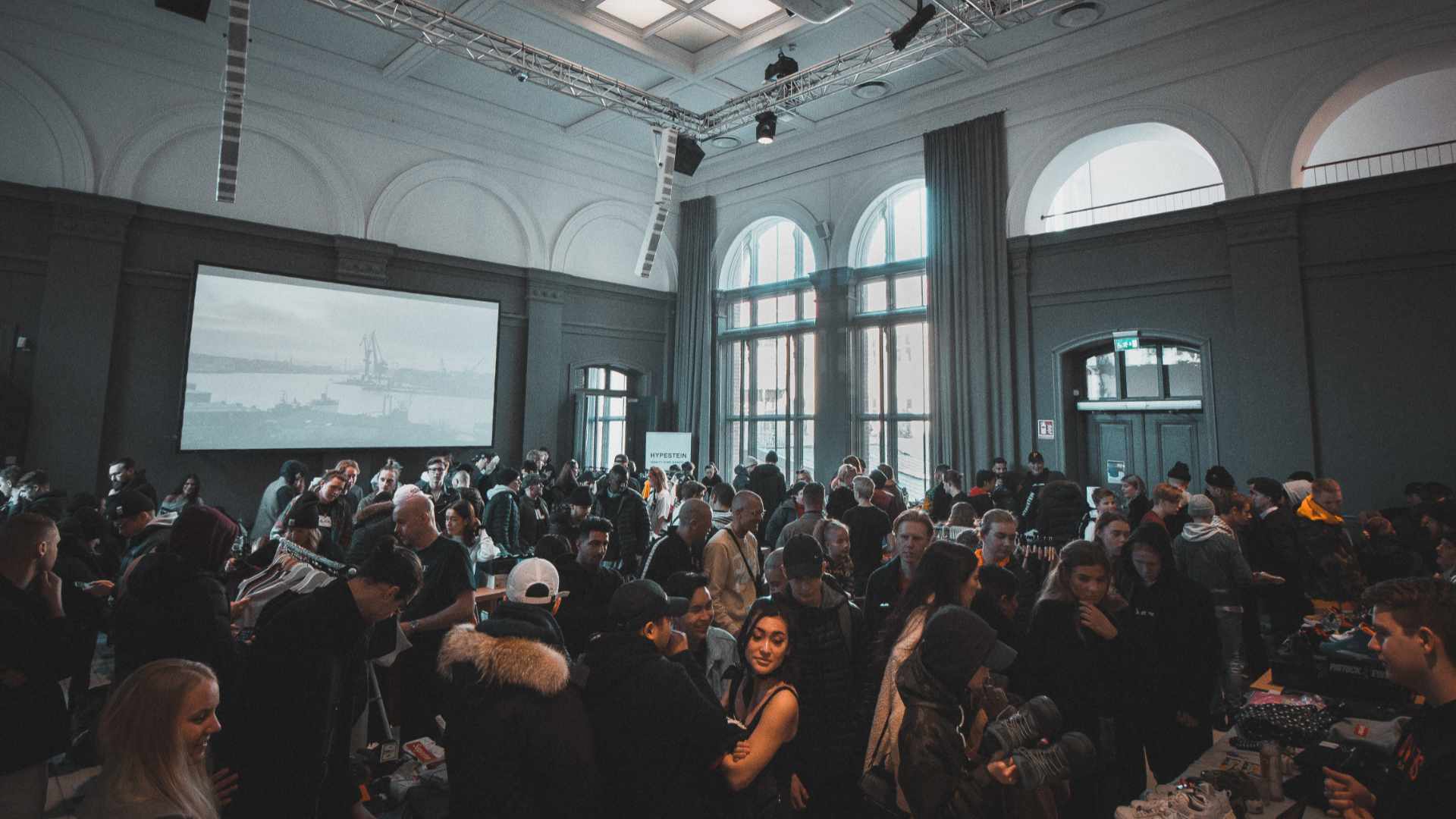
Sytac is pleased to announce that we are hosting our first (mini)-conference on Friday, September 24th. We call it the DevJam Conference.
As a company, we highly encourage knowledge-sharing, and DevJam is an opportunity for our developers and partners to do so. Sytac developers have been hosting the DevJam Meetup (DJM) for several years now, and the DevJam Conference (DJF) is our first shot at the big gig.
The conference will be presented to you by Sytac consultants, partners, and external speakers, ranging from a wide variety of development-related topics such as Blockchain, Serverless Cloud, Kafka, Machine Learning, Microfrontends, and Data Science. There are two tracks (blue & green), and this time, the event is entirely online. Check out the full agenda here.
Besides keynotes and Q&A with speakers, attendees are welcome to join the afterparty (Nibbles & Drinks), including a pub quiz and the opportunity to win prizes.
We have two streams for you

One of the buzzwords that you have likely heard (or experienced) in the past few years is all about XR: Augmented and Virtual Reality. These innovations are driving us into developing new ways on how people can meet up, knowledge can be shared and immerse us into entirely new experiences. And best of all, thanks ot the WebXR API, we can do this in a browser! In this lightning talk, I want to highlight how much is (and isn't) already possible with just Javascript(and HTML!), and how we can transport our users into new worlds or add virtual objects into their own environment.

In this talk, I'll go over some code smells and show how to remediate them. Java will be used to show the refactoring but it's valuable for developers of all programming languages. Don't expect to see slides, all coding will be done live.

In this talk you’ll learn all about Serverless concepts, application of serverless in industries, needed skill set, partner integration(DevOps challenges). Finally, how much will it all cost you end of the month?

Dark Mode on the Web: In this session, you’ll learn why Dark mode is becoming increasingly popular across platforms. Let’s see why themes are important for users, how we can implement them on the web, and what is needed from UX and design.
Data Science: Expectations vs Reality: Given all the attention the field receives in the media, many developers are interested in learning more about Data Science or Machine Learning. As someone having made the transition from being a complete novice to working on code that involves state of the art NLP running on GPU clusters we like to share what you can expect when you work on Data Science projects in the real world versus what is taught in online courses.
Today’s CoreData: Usually, when thinking about persistence in computer science we implicitly bring the idea of an old monolithic infrastructure which implies a lot of tedious tasks just to store some pieces of data related to our program, this was not different for iOS so Apple decided to create a dedicated object graph framework to help in this regard, but still, it was not so easy to apply. With the release of Swift the framework got push forward but the “old mindset” made that it was not easy to be adopted. This talk tries to provide a foundation that helps to understand and use Core Data in modern applications both in SwiftUI, and in UIKit. We will be able to understand the key concepts of Core Data, build an app that fetches and displays data and get familiar with more advanced topics.

Making decisions is impossible without knowledge, and knowledge is obtained from information that evolves from data. While the classical “data warehouse” approach focuses on taking all available data into account, the “streaming” approach is centred around the idea of reacting to events as soon as possible, extracting all the knowledge necessary for decision making “on the go”. Kafka stands out from other message brokers because it’s not a message broker - it’s a streaming platform originating from LinkedIn, a platform well known for its fast-paced communication dynamics. In this presentation you will learn about Kafka, Kafka-Connect and Kafka Streams and dive into a practical example of using Kafka Streams DSL on a real data stream and Python scripts will help to provide input and interpret output to/from a Kafka cluster.
Collaboration process between designers and developers has been long overdue for a revision. The current version of it, essientially built around designers handing off static images with annotations to engineers, is wasteful and inefficient. We will talk about how modern design tools that embrace web standards can revolutionize this process.

Arthur C. Clarke once said: “Any sufficiently advanced technology is indistinguishable from magic” The first time I used Shazam (the music matching app) it felt just like that: pure magic. The app shortly listens with the microphone and tells you which song is playing. As a programmer I generally have a pretty good understanding of what happens behind the scenes, in this case, however, we were absolutely gobsmacked. After a weekend of studying, reading scientific papers and experimenting and coding: we had a working Shazam clone written in Java. During this talk, we’ll reveal what we’ve learned and what algorithms and tricks are being used.
Pub quiz and the opportunity to win prizes.

With the increased migration of software applications to the cloud, companies want to optimise the cost of running their application in a usage-based pay model. Serverless applications offer high-cost effectiveness compared to VMs and containers in the cloud. In the session, you will learn what Serverless applications are all about and how to develop & run Java-based backend REST services in Microsoft Azure.

“Unwell” is an IoT-based software solution for detecting possible medical emergencies. This talk will describe how the software was built, how the architecture handles machine-learning at scale on the edge, and will give practical advice on building machine-learning-based applications.

Early 2018 at Marktplaats.nl we started to build a new platform that should enable us to onboard new countries. We migrated from huge monolithic Java-based frontends towards smaller Node.js BFFs (backend-for-frontends). And now we are in the process of adapting a micro-frontends approach. Here I would like to share the outcomes of this journey: what architecture solutions were made, how does Marktplaats.nl run and scale so many BFFs in production, how we grew as a team and educated frontend-developers to write backend code, what were our biggest challenges.

We will show you how to set up a development environment using docker containers on a Linux machine. Such setup allows to separate the software requirements for different projects and facilitates the configuration of a new machine, in case it is needed.
DevJam Conference 2021
© Designed and Developed by UIdeck